1 / 5
Very low
Overall pollen today
Tree pollen is none, weed pollen is very low, grass pollen is none. Top allergen: Ragweed.
Tip: Pollen levels are very low right now. It's a great day to enjoy the outdoors!
Cedar Watch
Juniper0None
Ashe juniper ("mountain cedar") season runs roughly December through February, usually peaking in January.
Tree
None · 0Not much in the air
Weed
Very low · 1Ragweed
Grass
None · 0Not much in the air
Air quality
Moderate · AQI 56US EPA index · ozone and fine particles
4-day outlook
Allergen close-up
Today's reading and the next few days for Austin's main offenders.
Cedar
Ashe juniper, a.k.a. mountain cedar
Out of season
Elm
Includes cedar elm, Austin's fall elm
Out of season
Oak
Live oak and red oaks, mainly spring
Out of season
Ash
Arizona and Texas ash, spring
Out of season
Grass
Bermuda, Johnson and other grasses
Out of season
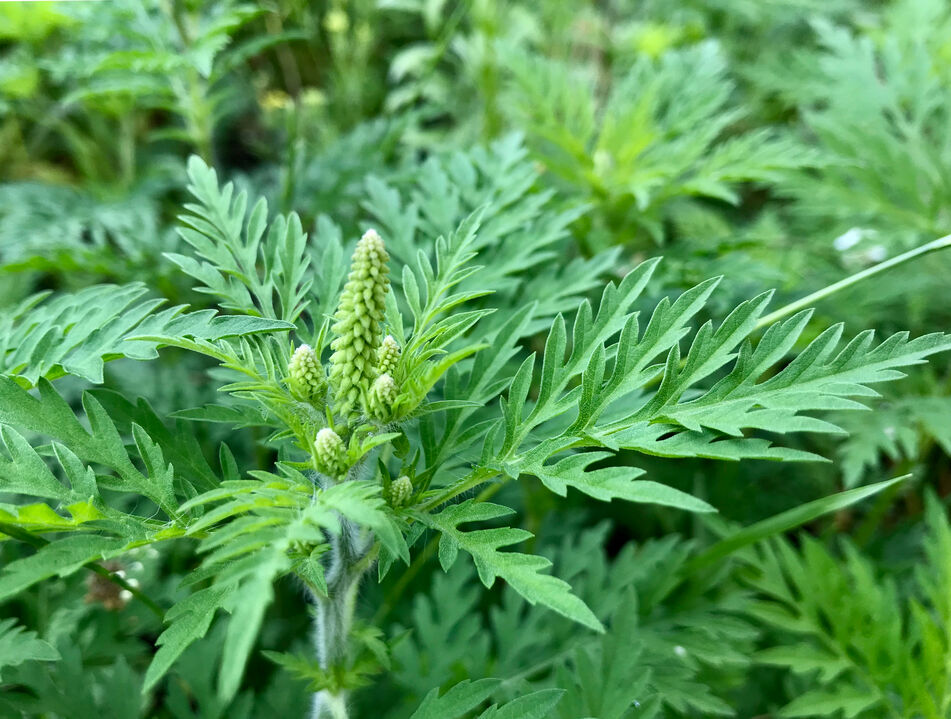
Ragweed
The big fall weed
Out of season
About ragweed
- Typical season
- Late summer, fall
- Plant family
- Asteraceae (the daisy family)
- Cross-reactions
- Mugwort and Goldenrod as well as daisies such as Sunflower, Dandelion, and Chamomile.
- How to spot it
- The leaves are alternate or opposite, divided and lobed. The leaf margin is smooth or serrated.
How to read the Austin Allergy Report
Every pollen number on this page uses the same 0–5 scale, from Google’s Universal Pollen Index. Higher numbers mean more pollen in the air and a better chance that allergy sufferers will feel it.
| Score | Level | What it means |
|---|---|---|
| 0 | None | No meaningful pollen in the air. |
| 1 | Very low | Only the most sensitive people are likely to notice. |
| 2 | Low | Some people with allergies may have mild symptoms. |
| 3 | Moderate | Many people with allergies will notice symptoms. |
| 4 | High | Most people with allergies will have symptoms. Limit time outdoors if you’re sensitive. |
| 5 | Very high | Expect strong symptoms. A good day to keep windows closed and stay in. |
Today’s grade
The gauge at the top shows the overall pollen level for Austin today. It reflects whichever pollen type is highest right now, whether that’s tree, grass or weed.
Cedar Watch
Mountain cedar gets its own reading because it causes Austin’s worst allergy season. Cedar Watch shows today’s level and the next few days, so you can see a bad stretch coming.
Tree, weed and grass
These three tiles break today’s pollen down by type and name the plants behind each one. If you know what you’re allergic to, this is the part to watch.
Air quality
The air quality tile uses the US EPA Air Quality Index (AQI). It tracks ozone and fine particles, not pollen, but poor air can make allergy and asthma symptoms worse. Under 50 is good; 51–100 is moderate; over 100 is unhealthy for sensitive groups.
5-day outlook and Allergen close-up
The outlook chart shows where tree, grass and weed pollen are headed over the next five days. The Allergen close-up drills into Austin’s main offenders, cedar, elm, oak, ash, grass and ragweed, each with its own forecast and plant profile.
Austin’s allergy seasons
Austin doesn’t really get an off-season. Different plants take turns through the year, and the seasons overlap, so many people here deal with symptoms for months at a time. Exact timing shifts with the weather each year.
Winter (December – February): Mountain cedar (Ashe juniper), the cause of “cedar fever”
Spring (February – May): Oak (usually the biggest), plus ash, elm and pecan
Summer (May – September): Grass, with mold after rain
Fall (August – November): Ragweed and cedar elm
New to Austin and feeling fine? Enjoy it while it lasts. It can take a few years of exposure for people who move here to develop allergies to the local plants.
Frequently asked questions about Austin Allergy Report
What is cedar fever?
Cedar fever is the local name for allergic reactions to pollen from mountain cedar, a tree that is really Ashe juniper. It hits Central Texas in winter, usually peaking in January. Symptoms can include sneezing, a runny or stuffy nose, itchy eyes and fatigue, and some people feel run-down enough to mistake it for the flu.
When does cedar season end in Austin?
Cedar season usually runs from December through February. Cold fronts often bring the worst days, because the wind behind them carries pollen in from the Hill Country west of town.
How often is the Austin Allergy Report updated?
The report refreshes automatically every day, and the time of the latest update is shown at the bottom of the dashboard.
Where does the data come from?
Pollen readings come from the Google Pollen API, which estimates pollen levels in roughly 1-kilometer squares. Air quality comes from Open-Meteo. The Austin Allergy Report shows readings for central Austin, so levels in outlying